Lifting Productivity: How Forklifts Are Revolutionizing Industrial Processes
In the realm of industrial operations, the pursuit of enhanced productivity and efficiency has been a driving force behind innovation. Among the tools that have significantly impacted this pursuit, forklifts have emerged as transformative machines that revolutionize the way industries function. These versatile workhorses have evolved far beyond their initial role as heavy lifters. Today, they play a pivotal role in redefining industrial processes, from manufacturing and warehousing to construction and logistics.
The Evolution of Forklifts: From Simple Lifters to Process Catalysts
Forklifts have transcended their conventional image as mere lifting devices and have become integral to reshaping how industrial processes are executed. Here’s a closer look at how forklifts are revolutionizing industrial operations:
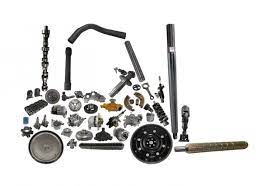
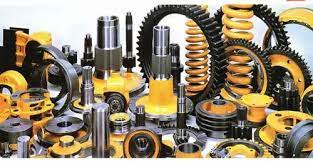
Efficient Material Handling: Forklift for parts excel in moving, lifting, and transporting heavy loads with remarkable efficiency. In industries where materials need to be rapidly moved within confined spaces, such as warehouses and manufacturing plants, forklifts dramatically accelerate the pace of work. This efficiency translates into reduced lead times and increased throughput.
Precision and Accuracy: The evolution of forklift technology has ushered in an era of precision. Advanced features such as hydraulic controls and electronic load sensors enable operators to handle delicate or oddly shaped materials with unparalleled accuracy. This precision minimizes the risk of damage and waste, contributing to higher overall product quality.
Multi-Tasking Abilities: Modern forklifts are equipped with attachments that expand their capabilities beyond lifting. Attachments like clamps, rotators, and side shifters enable forklifts to perform a range of tasks, from rotating and positioning materials to handling different types of loads. This versatility streamlines processes by reducing the need for multiple specialized machines.
Data-Driven Insights: The integration of technology into forklifts has paved the way for data collection and analysis. Smart forklifts equipped with sensors and telematics systems provide real-time information about factors like load weights, fuel consumption, and maintenance needs. This data-driven approach empowers businesses to make informed decisions that optimize operations and reduce downtime.
Enhanced Safety: Forklifts are no longer just about lifting power; safety features have become a focal point of their design. Technologies like anti-tip mechanisms, stability controls, and collision avoidance systems mitigate the risk of accidents and injuries, fostering a safer work environment.
Labor Efficiency: With forklifts taking on labor-intensive lifting tasks, human workers are freed to engage in more skilled and strategic roles. This shift in labor distribution not only improves job satisfaction but also allows businesses to tap into the full potential of their workforce.
Forklifts have evolved from simple lifting machines to indispensable catalysts for process revolutionization in various industries. Their ability to efficiently move heavy loads, adapt to diverse tasks, provide data insights, enhance safety, and optimize labor distribution has transformed the way industrial operations are conducted. As technology continues to advance, the capabilities of forklifts are poised to expand even further, promising continued innovation and increased productivity across the industrial landscape.