Categories
business

From Alarms to Alerts: Enhancing Commercial Security Systems

From Alarms to Alerts: Enhancing Commercial Security Systems

“From Alarms to Alerts: Enhancing Commercial Security Systems” is an in-depth examination of the evolution of commercial security systems and how advancements in technology have transformed them from simple alarm systems to sophisticated alert and response platforms.

The article begins by introducing the concept of commercial security systems and their vital role in safeguarding businesses, assets, and personnel. It highlights the changing landscape of security needs and sets the stage for discussing the transition from traditional alarm systems to modern alert-based solutions.

Evolution of Commercial Security Systems: This section traces the history of commercial security systems  like EYEON SECURITY, from the early days of basic alarm systems triggered by intrusions to more complex setups that incorporate various sensors, cameras, and access control mechanisms. It emphasizes the growing need for comprehensive security solutions in today’s dynamic business environments.

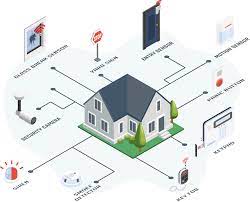
Integration of Technology: The article delves into how technology has revolutionized commercial security. It discusses the integration of sensors, surveillance cameras, motion detectors, biometric systems, and access control mechanisms into a unified security network. This integration enables real-time data collection and analysis for more accurate threat detection.

Smart Sensors and Data Analytics: The article explores how smart sensors, powered by IoT (Internet of Things) technology, have reshaped security systems. It explains how these sensors can detect a range of anomalies beyond simple break-ins, such as changes in temperature, humidity, and even behavioral patterns. The incorporation of data analytics and machine learning allows for predictive threat assessment.

Real-time Alerts and Remote Monitoring: The article highlights the shift from passive alarms to proactive real-time alerts. It explains how modern commercial security systems can send instant notifications to stakeholders, security personnel, or even law enforcement agencies in case of security breaches. Remote monitoring through mobile devices empowers users to stay connected to their business premises from anywhere.

Access Control and Biometrics: This section explores how access control has evolved beyond traditional locks and keys. Biometric systems such as fingerprint recognition, facial recognition, and retina scans provide a higher level of security by ensuring that only authorized personnel can access sensitive areas.

Emergency Response and Automation: The article discusses how automation plays a role in enhancing emergency response procedures. Automated systems can trigger actions like locking down certain areas, shutting off utilities, or initiating emergency alerts to employees and first responders.

Cybersecurity and Data Protection: As security systems become more interconnected, the article addresses the importance of cybersecurity measures. It discusses potential vulnerabilities and the steps businesses need to take to protect their security systems from cyber threats and unauthorized access.

Case Studies: To illustrate the concepts discussed, the article provides real-world case studies of businesses that have successfully implemented enhanced security systems. These cases highlight the benefits, challenges, and outcomes of adopting modern security technologies.

Future Outlook: The article concludes by looking ahead to the future of commercial security systems. It touches on emerging technologies like AI-driven threat detection, blockchain for secure data management, and the potential integration of security systems with smart building infrastructure.

Recommendations and Considerations: The final section offers practical advice to businesses considering upgrading their security systems. It outlines key factors to consider, such as budgeting, vendor selection, training, and ongoing maintenance.

“From Alarms to Alerts: Enhancing Commercial Security Systems” provides business owners, security professionals, and technology enthusiasts with insights into the transformative journey of commercial security and the innovative solutions that are shaping its future.

Categories
business

Plumbing Emergencies 101: Why Preparedness Is Key

Plumbing Emergencies 101: Why Preparedness Is Key

Plumbing emergencies can strike at any time, turning your home from a haven into a chaotic mess. From burst pipes to overflowing toilets, these sudden crises demand immediate attention. The key to mitigating the damage and stress that plumbing emergencies can bring is preparedness. By understanding the common types of plumbers cardiff emergencies and having a plan in place, you can navigate these situations with confidence and minimize their impact on your home and well-being.

Common Types of Plumbing Emergencies:

  1. Burst Pipes: Extreme cold or age can cause pipes to freeze and burst, leading to flooding and water damage.

  1. Sewage Backup: A clogged or overwhelmed sewer line can result in sewage backing up into your sinks, toilets, and tubs.
  2. Leaky or Burst Water Heaters: A faulty water heater can leak water or, in extreme cases, burst, causing flooding and potential scalding hazards.
  3. Clogged Drains: Severe clogs can lead to water backup and flooding in sinks, showers, and tubs.
  4. Overflowing Toilets: A blocked toilet that overflows can quickly flood your bathroom and damage surrounding areas.

Why Preparedness Matters:

  1. Damage Mitigation: Having a plan in place allows you to respond quickly, limiting the extent of water damage and its impact on your property.
  2. Safety: Plumbing emergencies can create hazardous conditions, such as slippery floors or electrical hazards. Being prepared helps you address these dangers promptly.
  3. Reduced Stress: Knowing what steps to take in a plumbing emergency reduces panic and stress. This level-headedness can make a significant difference in the outcome.

Creating a Plumbing Emergency Plan:

  1. Know Your Home’s Plumbing: Familiarize yourself with the location of shut-off valves for water supply lines, as well as the main water shut-off valve. Quick access to these valves can help you stop water flow in case of a leak or burst pipe.
  2. Compile Emergency Contacts: Keep a list of emergency plumbing services in your area, along with their contact information. Research and choose reliable professionals beforehand to avoid making hasty decisions during an emergency.
  3. Have Basic Tools on Hand: A few essential tools can be invaluable in a plumbing emergency. A plunger, adjustable wrench, pipe tape, and a bucket can help you manage immediate issues.
  4. Educate Household Members: Ensure that everyone in your household knows the location of shut-off valves and understands the basic steps to take in case of a plumbing emergency.
  5. Practice Caution: While immediate action is crucial, prioritize safety. If the situation appears dangerous or beyond your ability to manage, it’s best to evacuate the area and call for professional help.

Preparedness as Peace of Mind

Plumbing emergencies can disrupt your life and cause substantial damage if not handled swiftly and effectively. By understanding the common types of emergencies, having a plan in place, and staying calm under pressure, you can mitigate the impact of these situations. Preparedness brings peace of mind, ensuring that you’re ready to face unexpected plumbing challenges head-on and protect your home and loved ones from potential harm. Remember, in a plumbing emergency, quick thinking and a well-executed plan can make all the difference.

Categories
business

Movers’ Innovations: Embracing Technology for Better Moves

Movers’ Innovations: Embracing Technology for Better Moves

“Movers’ Innovations: Embracing Technology for Better Moves” suggests a forward-thinking approach to the moving industry, highlighting the integration of technology to enhance the overall moving experience. Let’s explore the elements of movers concept:

  1. Movers’ Innovations: This phrase emphasizes a commitment to innovative practices within the moving industry. It suggests a willingness to explore new ideas, methods, and technologies to improve the way moves are conducted.
  2. Embracing Technology: Technology plays a significant role in transforming various industries, and the moving industry is no exception. Embracing technology could involve leveraging digital solutions, software, automation, and data-driven insights to streamline and optimize the moving process.
  3. Better Moves: The goal of embracing technology is to ultimately provide a better experience for customers during the moving process. This could include reducing stress, improving efficiency, enhancing communication, and ensuring the safety of belongings.

In practical terms, “Movers’ Innovations: Embracing Technology for Better Moves” might encompass the following approaches:

  • Digital Inventory Management: Using apps or software to create detailed inventories of items being moved. This can help track items, reduce the risk of loss, and provide an organized record for customers.
  • Online Booking and Tracking: Implementing online platforms that allow customers to book moving services, track the progress of their move in real-time, and receive notifications about important milestones.
  • Virtual Estimates: Offering virtual walkthroughs via video calls to provide accurate estimates to customers without the need for in-person visits.
  • IoT (Internet of Things) Integration: Utilizing smart devices and sensors to monitor the condition and location of items during transit. This can help ensure items are handled with care and that environmental conditions are optimal.
  • Automated Communication: Implementing automated messaging systems to keep customers informed about the status of their move, estimated arrival times, and any potential delays.
  • Data Analytics for Route Optimization: Using data analytics to optimize transportation routes, reduce fuel consumption, and minimize travel time.
  • VR Packing Guides: Providing virtual reality guides that help customers pack their belongings efficiently and securely, reducing the risk of damage during transit.
  • Blockchain for Security: Implementing blockchain technology to enhance the security and transparency of transactions and document management during the moving process.
  • Green Technology Integration: Exploring eco-friendly moving options, such as electric or hybrid moving trucks, to reduce the environmental impact of the moving process.

By integrating technology into the moving process, companies can enhance customer satisfaction, improve operational efficiency, and differentiate themselves in a competitive market. “Movers’ Innovations: Embracing Technology for Better Moves” encapsulates the idea of harnessing the power of innovation to make the moving experience more convenient, transparent, and reliable for customers.

Categories
business

The Ultimate Travel Companion: Exploring Chauffeur Services Benefits

The Ultimate Travel Companion: Exploring Chauffeur Services Benefits

Traveling in the modern world is about more than just reaching a destination; it’s an experience that should be seamless, luxurious, and tailored to your needs. Enter chauffeur services – the ultimate travel companion that goes beyond traditional transportation. In this article, we delve into the world of chauffeur services and explore the myriad benefits they bring to the table, transforming your journey into an unforgettable adventure.

Tailored Luxury:

Dubai Chauffeur Services offer a level of luxury that extends far beyond a regular ride. Traveling in a high-end vehicle, accompanied by a skilled chauffeur, creates an ambiance of opulence that enhances the entire experience. From plush interiors to attention to detail, every moment feels like a first-class journey.

Personalized Attention:

The essence of chauffeur services lies in their personalized approach. Professional chauffeurs are attuned to your preferences, adjusting everything from temperature settings to preferred routes. This tailored attention ensures that your journey is not just comfortable, but uniquely yours.

Efficiency Redefined:

Chauffeur services redefine efficiency. Skilled drivers navigate through traffic, optimize routes, and ensure punctuality, making every minute of your journey count. Whether for business meetings or leisure activities, your time is maximized.

Stress-Free Travel:

Travel stress is a thing of the past with chauffeur services. Letting an experienced chauffeur handle the driving and logistics allows you to focus on enjoying the journey or preparing for your destination. Say goodbye to parking woes and traffic frustrations.

Insider Knowledge:

Chauffeurs often possess local insights that transform your journey into a cultural adventure. They can recommend hidden gems, suggest the best dining spots, and provide valuable information about the destination, enriching your travel experience.

Privacy and Security Priority:

Privacy and security are paramount in travel. Chauffeur services offer a secluded space where you can conduct business, have private conversations, or simply relax. With vetted chauffeurs, your safety and confidentiality are ensured.

First Impressions Matter:

The way you arrive sets the tone for your entire journey. Chauffeur services make a statement of professionalism and style, leaving a lasting impression on colleagues, clients, or event attendees. It’s not just about getting there; it’s about how you get there.

Seamless Transitions:

Whether it’s airport transfers, hotel pickups, or navigating a busy city, chauffeur services ensure seamless transitions between destinations. The logistics are handled, allowing you to smoothly move through your itinerary.

Chauffeur services are more than a mode of transportation; they are a gateway to a world of luxury, efficiency, and personalization. With their attention to detail, local knowledge, and commitment to privacy, they redefine the travel experience. Whether you’re a business traveler seeking a stress-free journey or an explorer looking to add a touch of elegance to your adventures, chauffeur services stand as the ultimate travel companion, ready to elevate your journey to new heights of comfort and style.

Categories
business

Styling Tools Unleashed: Transforming Hair into Art

Styling Tools Unleashed: Transforming Hair into Art

Styling tools are your artistic tools, and your hair is the canvas. With the right tools and a touch of creativity, you can transform your hair into a work of art. Here’s how you can unleash your creativity and turn your hair into a masterpiece:

Expressive Curls and Waves: Use curling wands or irons of different sizes to create a variety of curls and waves. Combine tight curls with loose waves for a textured, artistic look using Hair Auto Curler Australia.

Sleek and Sculpted Updos: Craft intricate updos using bobby pins, hairpins, and a fine-tooth comb for smooth lines and elegant shapes.

Braided Creations: Experiment with various braiding techniques to form unique patterns. Incorporate multiple braids into one style for an elaborate, multidimensional effect.

Color Play: Embrace temporary hair color sprays, chalks, or even semi-permanent dyes to add vibrant accents or create a gradient effect.

Textured Artistry: Use texturizing sprays and dry shampoos to create volume and texture, allowing you to sculpt artistic shapes and styles.

Geometric Lines and Shapes: Incorporate precision tools to create clean lines, geometric shapes, and sharp edges within your hairstyle.

Mixed Media Styles: Combine various elements like braids, twists, and curls to form a harmonious yet complex composition.

Accessories as Accents: Integrate decorative hairpins, headbands, and clips strategically to add flair and focal points to your style.

Nature-Inspired Looks: Draw inspiration from elements in nature—flowers, leaves, and waves—and recreate them through your hairstyle.

Texture and Contrast: Experiment with different hair textures, combining straight and curly sections, to create visual contrast and depth.

Monochrome Elegance: Explore the impact of a single color on your hair. Opt for a monochrome palette and play with light and shadows to create depth.

Artistic Undercuts: Utilize precision clippers for creative undercut designs, adding an element of surprise when you move your hair.

Asymmetrical Styles: Craft asymmetrical cuts or styles to break traditional norms and add a touch of asymmetry to your artistic expression.

Dynamic Extensions: Use clip-in or tape-in extensions to experiment with length, volume, and color without permanent commitment.

Personal Symbolism: Design your hairstyle with symbolic elements that represent your values, personality, or experiences.

Remember, every time you style your hair, you have an opportunity to express yourself creatively. Experiment, have fun, and don’t be afraid to push boundaries. Whether you’re creating a subtle masterpiece or a bold statement, your hair can be a canvas for your unique artistic vision.

Categories
business

Understanding Medical Cannabis: Benefits and Uses

Understanding Medical Cannabis: Benefits and Uses

Medical cannabis, also known as medical marijuana, has been a topic of increasing interest and research in recent years. Derived from the Cannabis sativa plant, medical cannabis contains compounds called cannabinoids that interact with the body’s endocannabinoid system to produce various therapeutic effects. While the recreational use of cannabis is a topic of debate, the medical application of its compounds is garnering significant attention for its potential benefits and uses.

The Endocannabinoid System and Cannabinoids

The endocannabinoid system (ECS) is a complex cell-signaling system found within the human body. It plays a crucial role in regulating a range of physiological processes, including pain sensation, appetite, mood, immune function, and sleep. The ECS consists of receptors, endocannabinoids (cannabinoids produced within the body), and enzymes that facilitate the synthesis and breakdown of cannabinoids.

Medical Cannabis UK contains over 100 different cannabinoids, each with its own effects and potential therapeutic benefits. Two of the most well-known cannabinoids are delta-9-tetrahydrocannabinol (THC) and cannabidiol (CBD). THC is primarily responsible for the psychoactive effects of cannabis, while CBD is non-psychoactive and has gained attention for its potential therapeutic properties.

Medical Uses and Benefits

  1. Chronic Pain Management: One of the most common reasons for medical cannabis use is pain management. Both THC and CBD can influence pain perception and provide relief for conditions like neuropathic pain, arthritis, and chronic pain syndromes.
  2. Neurological Disorders: Medical cannabis shows promise in treating neurological conditions such as epilepsy, multiple sclerosis, and Parkinson’s disease. CBD, in particular, has been studied for its anticonvulsant properties.
  3. Mental Health: Certain cannabinoids have potential effects on mood and mental health disorders. CBD, for instance, has been investigated for its anxiolytic and antidepressant properties.
  4. Cancer-Related Symptoms: Medical cannabis can help alleviate symptoms associated with cancer and its treatments, including nausea, vomiting, and loss of appetite.
  5. Inflammatory Conditions: Both THC and CBD exhibit anti-inflammatory properties, making them potentially useful for conditions like inflammatory bowel disease and rheumatoid arthritis.
  6. Sleep Disorders: Cannabis may impact sleep by affecting sleep cycles and improving sleep quality, though more research is needed in this area.
  7. Glaucoma: THC has been explored for its potential to reduce intraocular pressure in glaucoma patients.

Administration and Considerations

Medical cannabis can be administered through various methods, including smoking, vaporization, oral capsules, oils, tinctures, and edibles. The choice of administration depends on the patient’s condition, preferences, and the desired onset and duration of effects. However, it’s essential to note that the legality of medical cannabis varies widely around the world, and patients should adhere to local regulations.

Challenges and Future Research

While medical cannabis holds promise, several challenges remain. Limited scientific research due to legal and regulatory barriers has impeded a comprehensive understanding of its potential benefits and risks. Additionally, the variability in cannabis plant strains and formulations can lead to inconsistent results in different studies.

The future of medical cannabis research lies in conducting rigorous clinical trials to determine its safety, efficacy, proper dosages, and potential interactions with other medications. As the legal and societal acceptance of cannabis evolves, more opportunities for in-depth research are likely to emerge.

Medical cannabis is a complex and multifaceted field that offers potential benefits for various medical conditions. While research is ongoing, early findings suggest that cannabinoids like THC and CBD have the potential to address a wide range of ailments, from chronic pain to neurological disorders. As the scientific community continues to investigate and understand the mechanisms behind these effects, medical cannabis may become an increasingly viable option for patients seeking alternative forms of treatment under medical supervision.

Categories
business

Weathering Life’s Changes: Adapting Men’s Health Routines Over Time

Weathering Life’s Changes: Adapting Men’s Health Routines Over Time

Life is a journey filled with changes, challenges, and opportunities. As men navigate different stages of life, their health routines should evolve to meet their changing needs. Adapting health routines over time is essential for maintaining well-being and addressing the unique demands of each life stage. Here’s how men can adjust their health routines to weather life’s changes:

  1. Adolescence and Young Adulthood:
  • Focus on Nutrition: Establish healthy eating habits premature ejaculation medicine that provide essential  nutrients for growth and development. Include a variety of fruits, vegetables, lean proteins, and whole grains in your diet.
  • Physical Activity: Engage in regular physical activity to build strong muscles and bones, promote cardiovascular health, and establish a foundation for a healthy lifestyle.
  • Hydration: Develop a habit of staying hydrated, especially if you’re involved in sports or physically demanding activities.

  1. Early to Mid-Adulthood:
  • Balanced Diet: Continue to prioritize a balanced diet that supports overall health. Pay attention to portion sizes and make informed choices to manage weight.
  • Regular Exercise: Adapt your exercise routine to accommodate changing responsibilities. Incorporate cardiovascular workouts, strength training, and flexibility exercises.
  • Stress Management: Develop effective stress management strategies, such as mindfulness, meditation, or hobbies, to navigate the challenges of career and family life.
  • Health Screenings: Schedule regular health check-ups and screenings for conditions that become more prevalent with age, such as high blood pressure and cholesterol levels.
  1. Middle Age:
  • Heart Health: Focus on heart-healthy habits to reduce the risk of heart disease. This includes maintaining a healthy weight, managing cholesterol levels, and staying active.
  • Bone Health: Pay attention to bone health by consuming adequate calcium and engaging in weight-bearing exercises to prevent osteoporosis.
  • Mental Health: Prioritize mental health and seek support if you experience symptoms of stress, anxiety, or depression.
  • Regular Check-Ups: Monitor your health more closely as you age. Regular check-ups become even more important for early detection and prevention.
  1. Later Life:
  • Maintain Mobility: Incorporate exercises that enhance flexibility and balance to prevent falls and maintain mobility.
  • Nutrition and Hydration: Continue to prioritize a balanced diet and proper hydration to support overall health and vitality.
  • Cognitive Stimulation: Engage in activities that challenge your mind, such as puzzles, games, and learning new skills, to support cognitive health.
  • Social Connections: Stay socially active to combat feelings of isolation and loneliness.
  1. Transitioning to Retirement:
  • Stay Active: Maintain an active lifestyle to promote physical and mental well-being during retirement. Consider activities like walking, swimming, and group fitness classes.
  • Explore New Interests: Embrace the opportunity to explore hobbies and interests that you may not have had time for during your working years.
  • Regular Health Monitoring: Stay vigilant about health screenings and regular check-ups to address any health concerns that may arise with age.

Remember, Flexibility is Key:

Life is full of unexpected changes, and it’s important to remain flexible in your approach to health routines. As your responsibilities, priorities, and circumstances shift, be open to adjusting your routines to meet your current needs. Consulting with healthcare professionals can provide personalized guidance based on your individual health and circumstances.

Adapting your health routines over time allows you to navigate life’s changes with resilience and maintain your well-being throughout the different stages of your journey.

Categories
business

Net Marketing Revolution: Adapting to Digital Trends

Net Marketing Revolution: Adapting to Digital Trends

The world of net marketing is undergoing a revolution, propelled by ever-evolving digital trends that reshape the way businesses connect with their audience. As technology advances and consumer behaviors shift, adapting to these trends is crucial to stay relevant and competitive in the digital landscape. Explore the key digital trends driving the net marketing revolution and discover how businesses can embrace them for success.

  1. Rise of Video Content

Video has become a dominant force in Net Marketing Millions website. From short-form social media videos to long-form educational content, businesses are leveraging video to engage and entertain their audience. Live streaming, interactive videos, and visual storytelling are all part of this video revolution.

  1. Personalization and Hyper-Targeting

Consumers expect personalized experiences. Advanced data analytics and AI-driven tools enable businesses to segment their audience and deliver highly targeted content, ads, and offers that cater to individual preferences and behaviors.

  1. Voice Search Optimization

Voice-activated devices are changing how people search for information online. Net marketing strategies need to adapt to voice search by optimizing content for voice-friendly keywords and providing concise, conversational answers.

  1. Influencer Marketing Evolution

Influencer marketing continues to evolve, with micro-influencers gaining prominence. These smaller, niche-focused influencers often have higher engagement rates and a more authentic connection with their followers.

  1. Interactive Content Engagement

Interactive content, such as quizzes, polls, and interactive infographics, drives engagement and captivates audiences. This type of content encourages participation and offers a unique way to educate and entertain.

  1. Augmented Reality (AR) and Virtual Reality (VR)

AR and VR are transforming net marketing by providing immersive experiences. Businesses are using AR for virtual try-ons and interactive product demonstrations, while VR is being used for virtual tours and immersive storytelling.

  1. Content Experience Platforms

Content experience platforms are gaining traction, allowing businesses to create interactive, engaging, and visually appealing content experiences. These platforms enhance the overall user experience and drive better engagement.

  1. Sustainable and Ethical Branding

Consumers are increasingly valuing ethical practices and sustainability. Brands that showcase their commitment to social and environmental responsibility are gaining favor among conscious consumers.

  1. Ephemeral Content

Ephemeral content, such as Stories on platforms like Instagram and Snapchat, capitalizes on the fear of missing out (FOMO). It creates a sense of urgency and encourages real-time engagement.

  1. Mobile-First Mindset

Mobile devices continue to dominate online interactions. A mobile-first mindset is crucial for net marketing success, as responsive design, mobile-friendly content, and mobile apps become essential components.

  1. Data Privacy and Security

As data breaches and privacy concerns grow, businesses must prioritize data security and be transparent about their data usage. Trust is paramount in net marketing strategies.

  1. Continuous Adaptation

The digital landscape is dynamic. Net marketing strategies must embrace a culture of continuous adaptation, staying updated with emerging technologies and trends to remain relevant and competitive.

The net marketing revolution is driven by digital trends that shape how businesses connect with their audience in innovative and engaging ways. Adapting to these trends is essential for staying ahead of the curve and creating meaningful connections in the digital age. By embracing the power of video, personalization, emerging technologies, and ethical practices, businesses can navigate this revolution to unlock new opportunities and forge deeper connections with their audience.

Categories
business

From Blank Canvas to Masterpiece: The Process of Interior Design

From Blank Canvas to Masterpiece: The Process of Interior Design

Interior design is an intricate dance of creativity and functionality that transforms empty spaces into captivating environments that reflect the essence of those who inhabit them. Behind every stunning interior is a meticulously crafted journey that takes a blank canvas and shapes it into a masterpiece. Let’s delve into the fascinating process that turns design concepts into tangible realities.

  1. Conceptualization: Seeding Ideas

The journey begins with a spark of inspiration. Designers work closely with clients Barn Doorz to understand their preferences, needs, and the intended purpose of the space. This phase involves brainstorming, mood board creation, and exploring various design styles to establish a clear direction for the project.

  1. Space Planning: Design with Purpose

Effective space planning is the foundation of any successful interior design project. Designers map out the layout of the space, considering factors like traffic flow, functional zones, and furniture arrangement. This step ensures that the design not only looks appealing but also serves its intended purpose.

  1. Material Selection: Building Aesthetic Layers

Materials are the building blocks of interior design. Designers carefully choose materials, textures, and finishes that align with the overall concept. The selection of fabrics, flooring, wall coverings, and more contributes to the visual and tactile experience of the space.

  1. Visualization: Breathing Life into Ideas

Utilizing cutting-edge technology, designers create 3D visualizations that provide a lifelike representation of the design. This step helps clients and designers alike to envision the final result, make necessary adjustments, and ensure everyone is on the same page before implementation.

  1. Detailing: Crafting Intricate Touches

Details are what elevate a design from good to exceptional. This phase involves selecting furniture, lighting, accessories, and artworks that harmonize with the design concept. Each piece is chosen with precision to contribute to the overall aesthetic and atmosphere.

  1. Execution: Bringing Dreams to Reality

With a solid plan in place, it’s time to bring the design to life. Contractors, artisans, and craftsmen collaborate to execute the vision. From painting walls to installing custom cabinetry, this phase requires meticulous attention to detail to ensure the design is faithfully realized.

  1. Styling: Adding the Final Flourishes

Styling is the cherry on top of the design process. Designers strategically place accessories, textiles, and decorative elements that infuse the space with character. This step adds warmth, personality, and a lived-in feeling to the environment.

  1. Quality Assurance: Ensuring Perfection

Before unveiling the design to the client, a thorough quality check takes place. Every detail is reviewed to ensure it meets the highest standards of craftsmanship and design integrity.

  1. Reveal: The Moment of Revelation

The final moment arrives when the design is revealed to the client. This is a time of excitement and anticipation as the client sees their space transformed into the vision they discussed with the designer.

  1. Reflection: Celebrating the Journey

Interior design is more than just a physical transformation; it’s a journey. Designers and clients reflect on the collaborative process that brought a concept to life. The space becomes a canvas for memories, experiences, and personal expression.

In Conclusion

From the initial spark of an idea to the final unveiling, the process of interior design is a captivating blend of creativity, technical expertise, and collaboration. It’s the art of turning imagination into reality, creating spaces that not only inspire but also tell the unique stories of those who inhabit them. Every interior design journey is a testament to the power of design to shape our surroundings and enrich our lives.

Categories
business

Ace the Interview: Top Strategies for Effective Preparation

Ace the Interview: Top Strategies for Effective Preparation

An interview is your chance to shine, showcasing your skills, experience, and personality to potential employers. To ensure you leave a lasting impression, it’s crucial to prepare thoroughly. Follow these top strategies to effectively prepare and ace your next interview.

1. Know the Company Inside Out

Research the company’s history, mission, products or services, recent news, and corporate culture. Understand their competitors and industry trends. This knowledge demonstrates your genuine interest questions for green card marriage interview and helps you tailor your responses to align with the company’s values.

2. Understand the Job Role

Study the job description carefully. Identify the key responsibilities, skills, and qualifications required. Use this information to emphasize your relevant experiences and skills during the interview.

3. Prepare Your Success Stories

Craft compelling stories that showcase your achievements. Use the STAR (Situation, Task, Action, Result) method to structure your responses. These stories should highlight your problem-solving abilities, teamwork, and leadership skills.

4. Practice, Practice, Practice

Practice answering common interview questions, focusing on clear and concise responses. Record yourself or rehearse with a friend to refine your communication style, body language, and overall delivery.

5. Quantify Your Achievements

Highlight your accomplishments with specific numbers and metrics. Quantifying your impact adds credibility to your claims and provides tangible evidence of your contributions.

6. Prepare Thoughtful Questions

Have a list of insightful questions ready to ask the interviewer. Inquire about the team dynamics, growth opportunities, and challenges the company is facing. Asking thoughtful questions demonstrates your engagement and enthusiasm.

7. Dress Appropriately

Choose attire that aligns with the company’s dress code and culture. Aim to look polished and professional, as your appearance reflects your respect for the interview process.

8. Practice Positive Body Language

Maintain eye contact, offer a firm handshake, sit up straight, and avoid fidgeting. Positive body language exudes confidence and professionalism.

9. Use the CAR Technique

For competency-based questions, use the CAR (Challenge, Action, Result) technique. Describe a challenge you faced, the action you took, and the positive result you achieved.

10. Review Your Resume

Be ready to discuss your resume in detail. Highlight your experiences, skills, and qualifications, and be prepared to elaborate on any gaps or transitions in your career.

11. Simulate the Interview Environment

If possible, conduct mock interviews in a setting similar to the actual interview. This helps you get accustomed to the environment and reduces nervousness.

12. Visualize Success

Visualize yourself succeeding in the interview. This mental exercise can boost your confidence and calm your nerves.

13. Stay Updated on Industry Trends

Demonstrate your industry knowledge by discussing relevant trends, challenges, and innovations. This showcases your dedication to staying informed and adapting to changes.

14. Stay Calm and Engage

During the interview, remain composed. Listen attentively to the questions, take a moment to gather your thoughts, and respond thoughtfully. Engage in a genuine conversation with the interviewers.

15. Follow Up Gratefully

After the interview, send personalized thank-you emails to express your appreciation for the opportunity. This gesture reinforces your interest and leaves a positive impression.

By incorporating these top strategies into your interview preparation, you’ll be well-equipped to excel in any interview scenario. Remember, confidence comes from thorough preparation, genuine enthusiasm, and effective communication