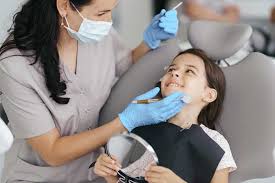
Oral health is an essential part of maintaining a healthy lifestyle, yet it is often overlooked until a dental problem develops. Healthy teeth and gums make everyday activities such as eating, speaking, and smiling more comfortable. Regular dental care, combined with good hygiene habits, can help prevent common problems such as tooth decay, gum inflammation, and persistent bad breath. Dentists support patients by identifying oral health concerns, recommending suitable treatments, and providing guidance that helps them protect their smiles over time.
Modern dentistry focuses not only on treating dental problems but also on preventing them before they become more serious. From routine examinations and professional cleanings to restorative procedures and cosmetic treatments, dental services address a wide range of individual needs. Understanding how to care for teeth at home and when to seek professional assistance can help people make better decisions about their oral health and maintain a confident smile.
Daily Habits That Support Better Oral Health
Developing a consistent oral hygiene routine is one of the simplest ways to protect teeth and gums. Brushing twice a day with fluoride toothpaste helps remove plaque, reduce bacterial buildup, and strengthen tooth enamel. A soft-bristled toothbrush and gentle brushing technique can clean teeth effectively without causing unnecessary irritation to the gums. Replacing toothbrushes regularly is also important because worn bristles may not clean as effectively.
Flossing once a day helps remove food particles and plaque from spaces that toothbrushes cannot easily reach. These areas can become breeding grounds for bacteria when they are neglected. Using an appropriate mouthwash may provide additional benefits for certain patients, although it should not replace brushing or flossing. Drinking plenty of water and limiting sugary snacks can further support a healthy mouth. When practiced consistently, these habits can reduce the risk of dental problems and make everyday oral care more effective.
Why Preventive Dental Visits Matter
Regular dental examinations are important because many oral health conditions develop without noticeable symptoms during their early stages. A dentist can examine the teeth and gums for signs of cavities, gum disease, enamel damage, and other concerns. Professional cleanings help remove hardened plaque, while personalized recommendations can address specific risks based on a patient’s dental history and current condition.
Preventive appointments also provide an opportunity to discuss concerns such as tooth sensitivity, bleeding gums, bad breath, or discomfort while chewing. Addressing these symptoms early may help prevent more complicated problems and reduce the need for extensive treatment. Choosing a Trusted dentist Richmond VA can help individuals access professional dental guidance, routine preventive services, and appropriate treatment options. Establishing a regular dental care schedule also makes it easier to monitor changes in oral health and maintain healthy habits over the long term.
Understanding Modern Dental Treatments
Advancements in dental technology have improved the ways dental professionals examine teeth, diagnose conditions, and plan treatments. Digital dental imaging can provide detailed views of teeth and surrounding structures, helping dentists identify certain problems that may not be visible during a routine examination. Intraoral scanners can create digital impressions for selected procedures, while modern restorative materials allow damaged teeth to be repaired with functional and natural-looking results.
Treatment options vary depending on the patient’s needs. Fillings may be used to repair cavities, crowns can help restore weakened teeth, and root canal treatment may preserve a tooth affected by infection or significant damage. Dentists may also recommend orthodontic treatment to address alignment concerns. Although technology can make some procedures more efficient and comfortable, the right treatment depends on a professional assessment of the patient’s oral health. Discussing available options with a dentist helps patients understand the expected benefits, possible risks, and ongoing care requirements.
The Connection Between Diet and Dental Health
Food and drink choices can significantly affect the condition of teeth and gums. Frequent exposure to sugary foods and beverages encourages the bacteria responsible for tooth decay. Acidic drinks can also contribute to enamel erosion, particularly when consumed regularly throughout the day. Reducing the frequency of these exposures and choosing water instead of sugary beverages can help protect the teeth.
A balanced diet that includes vegetables, fruits, whole grains, and calcium-rich foods supports overall health and provides nutrients important for maintaining teeth and supporting tissues. Cheese, milk, yogurt, and suitable fortified alternatives can contribute calcium to the diet. Eating regular balanced meals instead of frequently snacking on sugary products may also help reduce repeated acid attacks on tooth enamel. These dietary choices work best when combined with daily brushing, flossing, and professional dental care.
Recognizing Signs That Require Dental Attention
Knowing when to seek dental advice is another important part of maintaining oral health. Persistent toothache, swollen gums, unusual sensitivity, bleeding during brushing, and ongoing bad breath can indicate an underlying problem. Even if the discomfort seems mild, a dental examination can help determine the cause and identify the most appropriate response.
Some symptoms require more urgent attention. Facial swelling accompanied by fever, difficulty swallowing, or difficulty breathing may indicate a serious infection. Difficulty breathing or swallowing requires emergency medical care. Patients should avoid relying solely on home remedies when dental symptoms persist, as delaying professional assessment can allow certain conditions to worsen.
Conclusion
Maintaining healthy teeth and gums involves more than brushing occasionally or visiting a dentist only when pain develops. Consistent oral hygiene, balanced eating habits, routine dental examinations, and timely treatment all contribute to better long-term dental health. Modern dental techniques continue to expand the options available for preventing and treating oral health conditions, helping patients receive care that suits their individual circumstances
By making preventive care part of everyday life, individuals can reduce the risk of cavities, protect their gums, and identify potential problems before they become more complicated. Working with a dental professional and following practical oral hygiene recommendations can make a lasting difference. With regular attention and healthy habits, maintaining a comfortable, functional, and confident smile becomes a more achievable goal.